When most people think of the desert near Aqaba, they picture the majestic red sands of Wadi Rum. However, the true local connection to the desert often comes in a much sweeter, more intimate form: a traditional dessert called **Houh** (الحوح). This isn't a place, but a culinary tradition that speaks volumes about the region's heritage and the resourcefulness of its people.
Houh is a beloved Aqabawi sweet, especially popular during the holy month of Ramadan, but enjoyed year-round by those in the know. It is a simple yet profound dish that embodies the spirit of the desert: humble ingredients transformed into something extraordinary.
1. What is Houh? The Aqabawi Sweet
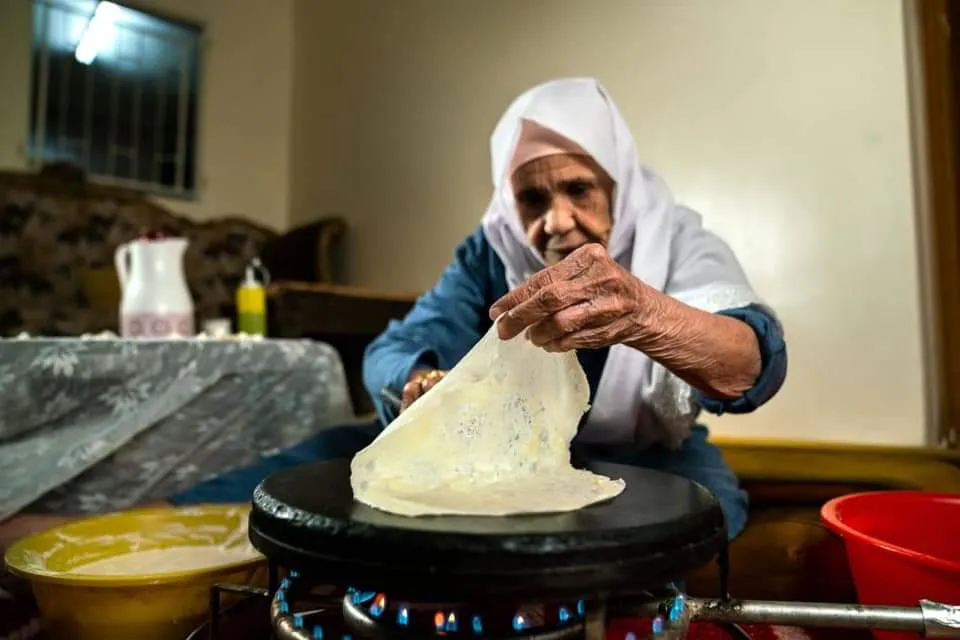
Houh is a delicate, paper-thin pastry, often described as a crepe or pancake, that is layered and drizzled with a rich, sweet syrup. The name itself, **Houh**, is a local term for this specific type of sweet, which has been passed down through generations of families in Aqaba.
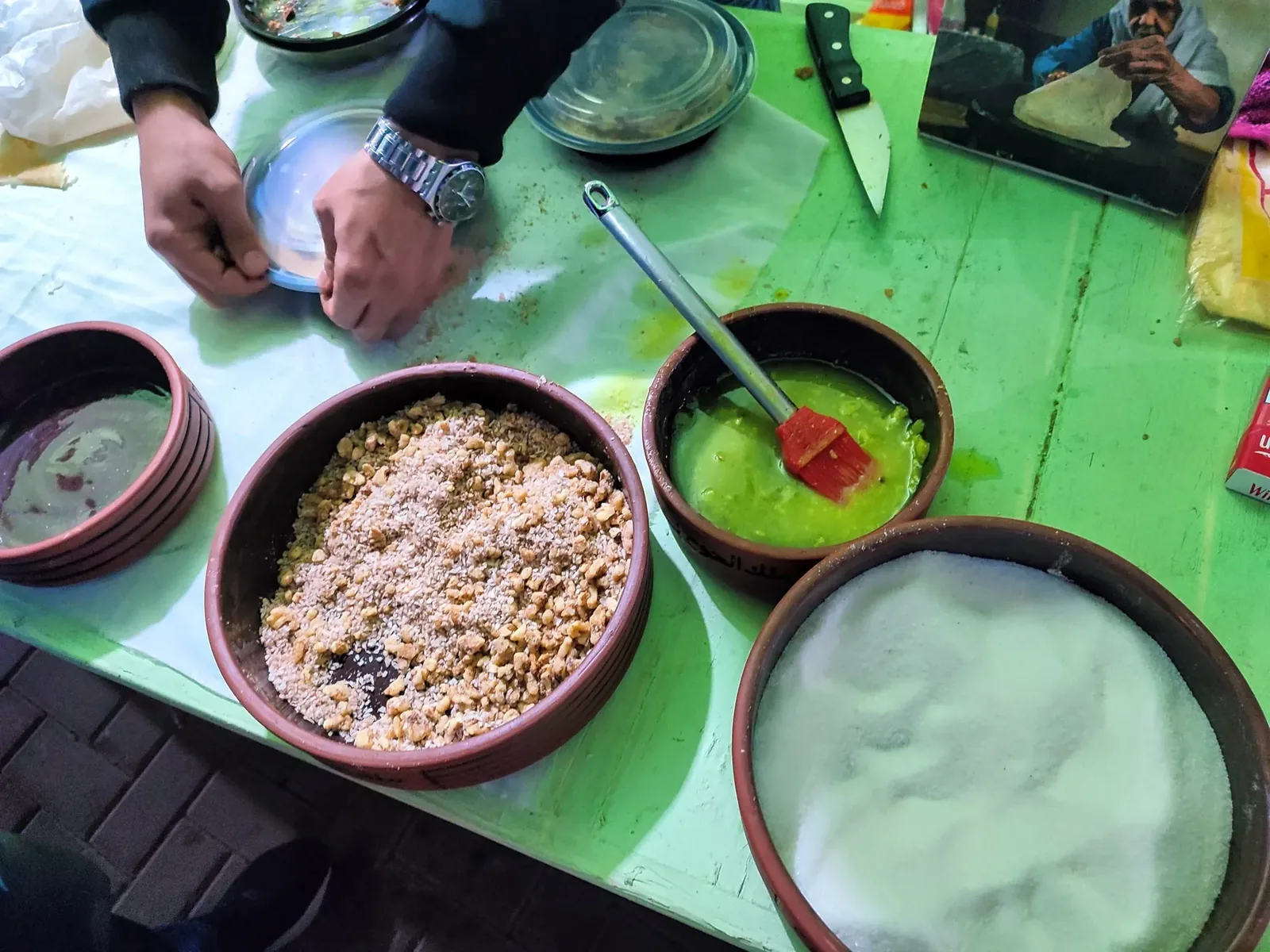
The base of the sweet is a very thin batter made from simple ingredients: flour, water, and a pinch of salt. This batter is cooked on a hot surface until it forms a translucent, almost lace-like sheet. These sheets are then stacked, often with a light brushing of olive oil or ghee between them, and finally soaked in a syrup made from sugar, water, and sometimes a hint of rosewater or cardamom.
 The delicate, paper-thin layers of Houh being cooked.
2. A Taste of the Desert's Resourcefulness
The simplicity of Houh's ingredients—flour, water, and sugar—reflects the traditional Bedouin and desert diet, where resourcefulness was key. In a region where fresh produce was historically scarce, staples like flour and sugar were combined to create comforting and energy-rich foods. Houh is a culinary link to the desert's past, a reminder of the strong connection between the city and the vast, arid landscape that surrounds it.
While the desert itself is a place of rugged beauty and adventure, Houh represents the warmth and hospitality found within the homes of the people who call this desert region home. Sharing this sweet is a sign of welcome and generosity.
3. Where to Find the Best Houh in Aqaba
Unlike mass-produced desserts, the best Houh is typically found in small, local bakeries or made in private homes. During Ramadan, you will find it more readily available in the downtown souks, where vendors set up stalls to sell this traditional treat for the evening Iftar meal.
- Local Bakeries: Ask a local for the best *halawani* (sweet shop) that specializes in traditional Aqabawi sweets.
- Ramadan Stalls: If you are visiting during the holy month, look for the temporary stalls that appear after sunset—this is the prime time to find freshly made Houh.
- Local Cooking Classes: The ultimate way to experience Houh is to learn how to make it yourself, connecting directly with the local culinary tradition.
 A plate of Houh drizzled with sweet syrup.
4. Beyond the Sweet: The Desert Experience
While Houh is a sweet, it is a great starting point for exploring the desert culture. After savoring this local treat, consider a trip to the actual desert to complete the experience.
The famous **Wadi Rum** is less than an hour's drive away, offering breathtaking landscapes, Bedouin camps, and stargazing opportunities. It is the perfect complement to the culinary journey, allowing you to appreciate the environment that shaped the traditions of Aqaba.
Discovering Houh is discovering a piece of Aqaba's soul. It's a reminder that the most authentic local experiences are often found in the simplest of traditions. Book your local experiences today and taste the heritage of Aqaba!