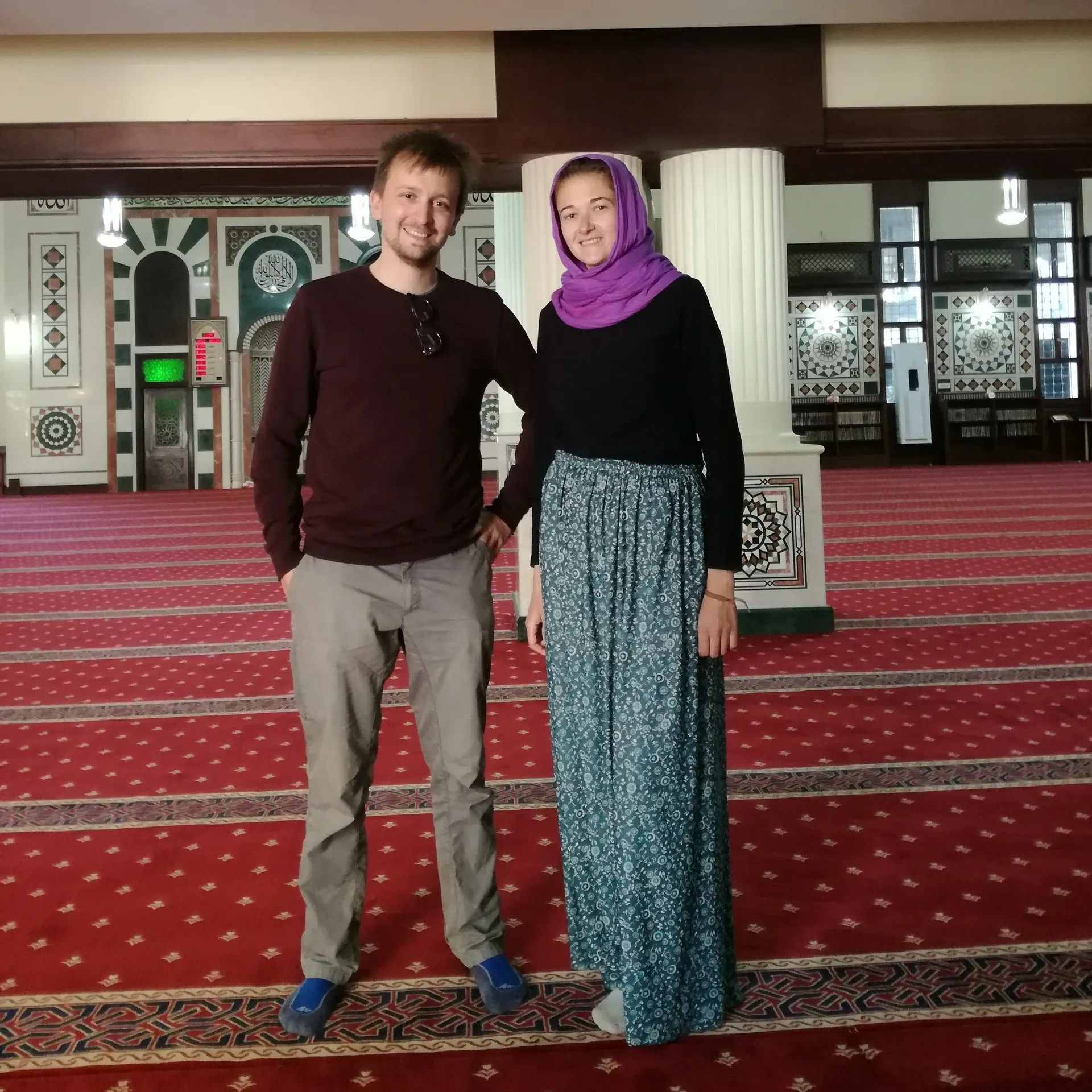
Ramadan in Jordan is a time of spiritual reflection, community, and extraordinary hospitality. In 2026, Ramadan is expected to begin around February 17-18 and conclude with the Eid al-Fitr celebrations around March 18-19. While the pace of life changes, it offers travelers a unique opportunity to witness authentic Jordanian culture.
What to Expect During the Day
During the daylight hours, the pace of life in Jordan slows down. Most locals are fasting from dawn until sunset. You'll find that many local restaurants and cafes remain closed during the day, reopening with a burst of energy after sunset. However, in tourist-heavy areas like Petra, Wadi Rum, and Aqaba's resorts, many establishments continue to serve food and drinks normally.
The Magic of Iftar: A Must-Try Experience
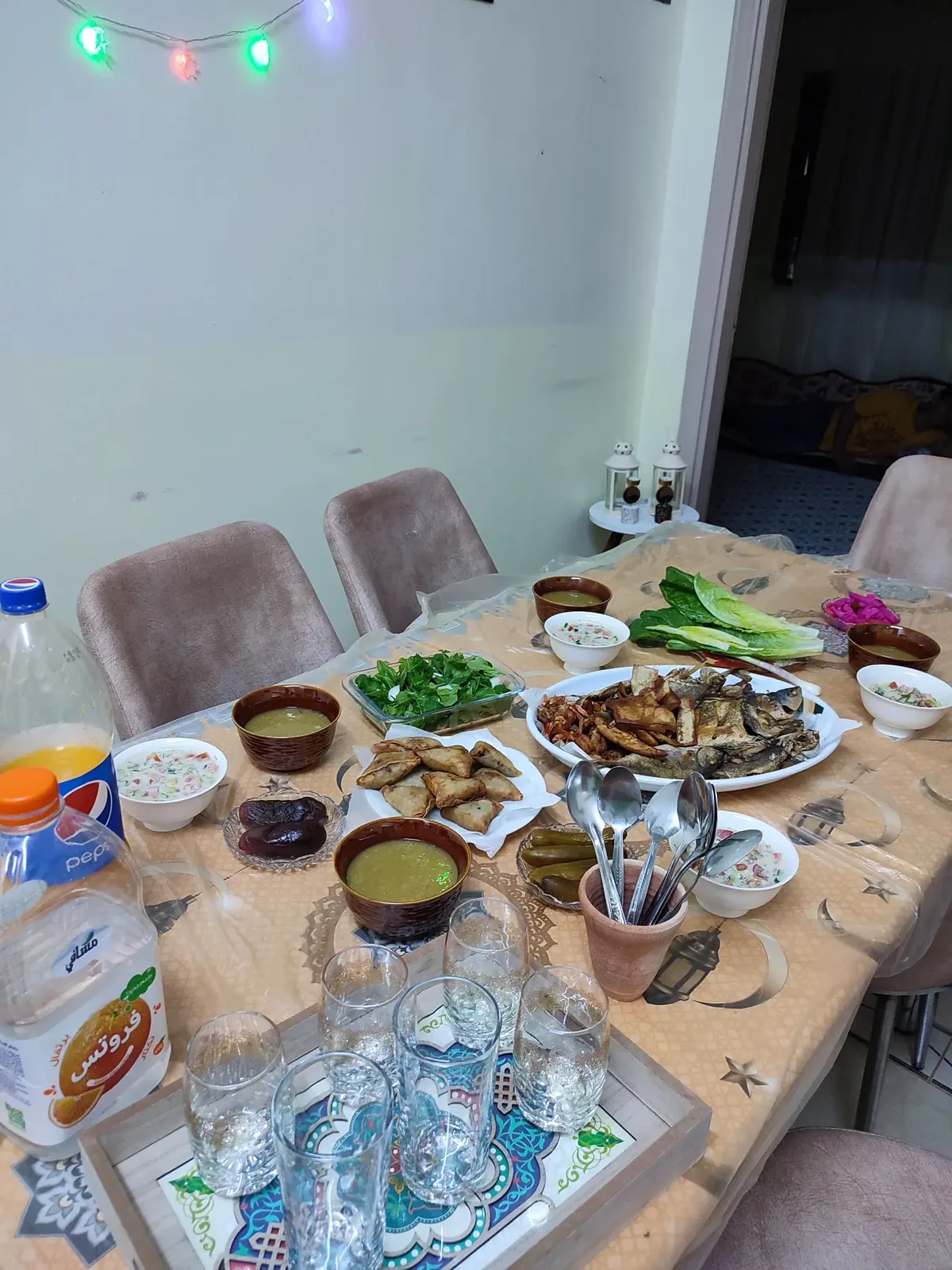
Iftar is the meal that breaks the fast at sunset. It's a joyous occasion where families gather to share traditional dishes. In Aqaba and across Jordan, you'll see a beautiful custom of hospitality where locals offer dates and water to passersby—including travelers—to break their fast. The streets come alive after sunset, with restaurants and cafes staying open late into the night.
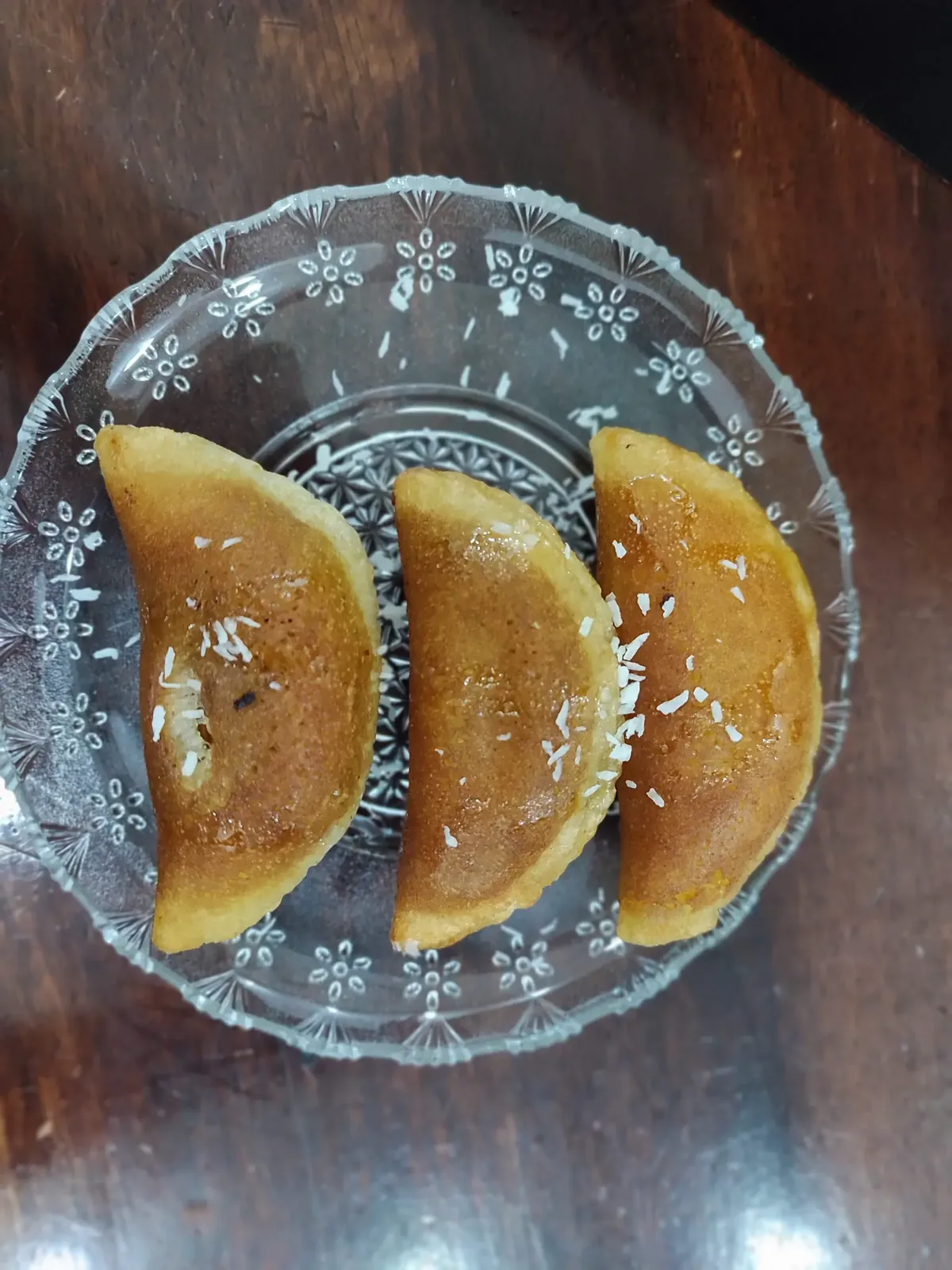
For many tourists, the highlight of their trip is participating in an authentic Iftar dinner. While hotels offer lavish buffets, the most meaningful way to experience this is by joining a local family. This offers an unparalleled opportunity to immerse yourself in Jordanian culture, share stories, and witness the true spirit of Ramadan hospitality firsthand. You'll get to taste home-cooked specialties like Sayadieh (Aqaba's famous fish and rice dish) and the beloved Qatayef dessert, all while forging genuine connections.
A Culinary Journey: Ramadan Delicacies
Traditional Ramadan Sweets
Ramadan is synonymous with an array of delectable sweets, often enjoyed after Iftar. Beyond the widely loved Qatayef, which are delicate pancakes filled with nuts or cheese and drenched in syrup, other treats abound. Kunafah, a rich pastry made with shredded phyllo dough or fine semolina, soaked in sweet syrup, and typically layered with cheese, is another staple [1] [4]. In Aqaba, you might also encounter Al-Hooh, a local dessert featuring layers of pastry with nuts or dates, fried in ghee and sweetened with syrup [6].
Refreshing Ramadan Juices
To quench the thirst after a day of fasting, special drinks are prepared. Qamar al-Din, a thick apricot juice made from dried apricot fruit leather, is incredibly popular and known for its refreshing qualities [12]. Another favorite is Tamar Hindi, a sweet and tangy drink made from tamarind pulp, sugar, and lemon juice [13]. You'll also find Jallab, a cordial made from dates, grape molasses, and rose water, often served with pine nuts and raisins [15]. These beverages are not just drinks; they are an integral part of the Iftar experience.
Special Ramadan Foods
While many dishes are enjoyed year-round, some take on special significance or are exclusively prepared during Ramadan. Mansaf, Jordan's national dish, a hearty meal of lamb cooked in a fermented dried yogurt sauce (jameed) and served with rice over flatbread, is a common sight at Iftar gatherings, symbolizing generosity and hospitality [7] [8] [11]. These traditional foods, prepared with love and shared with family and friends, are at the heart of the Ramadan experience.
Respect and Etiquette
To show respect for those fasting, it is recommended to avoid eating, drinking, or smoking in public places during daylight hours. Dressing modestly (covering shoulders and knees) is always appreciated, but especially during this holy month. When taking photos, particularly during Iftar, always ask for permission first.
Where to Eat in Aqaba During the Day
If you're in Aqaba during the day, several places remain open for tourists:
- Seven Spices Indian Restaurant: Open for tourists.
- Ayla Oasis: Most shops and restaurants function as usual.
- Berenice Beach Club: Bars and restaurants remain open.
- International Chains: Places like McDonald's operate normally.
Is it Worth Visiting During Ramadan?
Absolutely! Visiting Jordan during Ramadan allows you to see the country through a different lens. You'll experience a level of hospitality that is truly unique to this time of year. From the festive atmosphere after sunset to the quiet beauty of the mornings, it's a journey you won't forget.